There is a conversation that more Nigerian couples are beginning to have, one that recognises fertility as a shared health concern and encourages both partners to be part of the journey toward answers.

Infertility is a medical condition that can involve either partner or both, and understanding every possible contributing factor is an important step toward finding the right support.
If you and your partner have been trying to conceive for a while, you probably already know the weight of that experience. The appointments, the waiting, the questions from family that people frame as concern but feel more like pressure. Fertility is not a simple subject, and for most couples, the path to answers is rarely straightforward.
Infertility is medically defined as the inability of a couple to achieve pregnancy after twelve months of regular, unprotected sexual intercourse. It is a medical condition, and like most medical conditions, it has causes that can be identified and addressed. Infertility is more common than many people assume. It affects families across every region, income bracket, and religion. It is also a concern that can affect either partner, or both, which is why fertility evaluation is most effective when approached as a team.
A 2025 review of male infertility evaluation and management across Africa found that male infertility accounts for up to 22.26% of infertility cases on the continent, part of a global range that stretches as high as 70% depending on the region. In a significant share of cases where a couple cannot conceive, male factors play a role, which is why a complete fertility assessment for both partners is an important first step.
What Male Infertility Looks Like
Male fertility comes down largely to sperm health: whether there are enough sperm, whether they can move effectively, and whether they are shaped in a way that allows them to reach and fertilize an egg. When any of these factors is affected, conception can become more difficult.
Here are some of the most common patterns seen in male infertility cases in Nigeria:
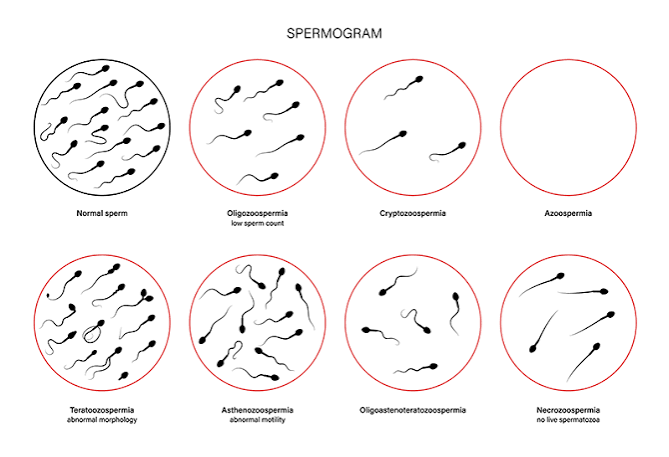
Low Sperm Count (Oligozoospermia)
According to the World Health Organization’s 6th edition semen analysis guidelines (2021), a normal sperm concentration is 16 million sperm per millilitre of semen or higher. Oligozoospermia is diagnosed when sperm concentration falls below this threshold, making natural conception significantly more difficult. A 2022 scoping review of male infertility studies, co-authored by researchers at the University of Benin, identifies oligozoospermia as one of the most consistently reported biological causes of male infertility.
Poor Sperm Motility (Asthenozoospermia)
Sperm motility measures how well sperm can swim, which determines whether they can travel through the female reproductive tract to reach and fertilise an egg. According to WHO 2021 guidelines, at least 42% of sperm in a healthy sample should show movement, with a smaller percentage swimming in a fast, forward direction. Asthenozoospermia is diagnosed when motile sperm fall below this threshold. The same 2022 review identifies asthenozoospermia among the most frequently cited causes of male infertility. Even when sperm count is normal, poor motility alone can make natural conception difficult.
Abnormal Sperm Shape (Teratozoospermia)
Sperm morphology refers to the size and shape of individual sperm, specifically the head, midpiece, and tail, which together influence whether a sperm can successfully fertilise an egg. Under WHO 2021 criteria, a sample is considered to have normal morphology when at least 4% of sperm are normally shaped. Teratozoospermia is diagnosed when normal forms fall below that threshold.
Azoospermia
Azoospermia refers to the complete absence of sperm in semen. It is one of the most severe presentations of male infertility and is more common than many people realise. A 2023 case-controlled study of men attending urology and fertility clinics in Port Harcourt found that 20.8% of participants were azoospermic, with higher prevalence observed among occupations involving prolonged sitting or frequent heat exposure.
Varicocele
A varicocele is an enlargement of the veins within the scrotum. The 2022 review identifies varicocele as one of the major biological causes of male infertility. It is also one of the more treatable causes and can often be managed successfully when identified early.
Credit: Dreamsite
Understanding Factors That Can Affect Sperm Health
A 2023 study published in Scientific Reports analyzed semen parameters of 17,292 men attending fertility clinics in Nigeria and South Africa over a ten-year period. The researchers found significant declines in progressive motility, total progressively motile sperm count, and normal sperm morphology. In Nigeria specifically, progressive motility fell by 87% and normal morphology by 55% over the study period.
Researchers believe several factors may be contributing to these trends, including lifestyle habits, environmental exposures, underlying health conditions, and broader gaps in awareness and access to reproductive healthcare.
Heat Exposure
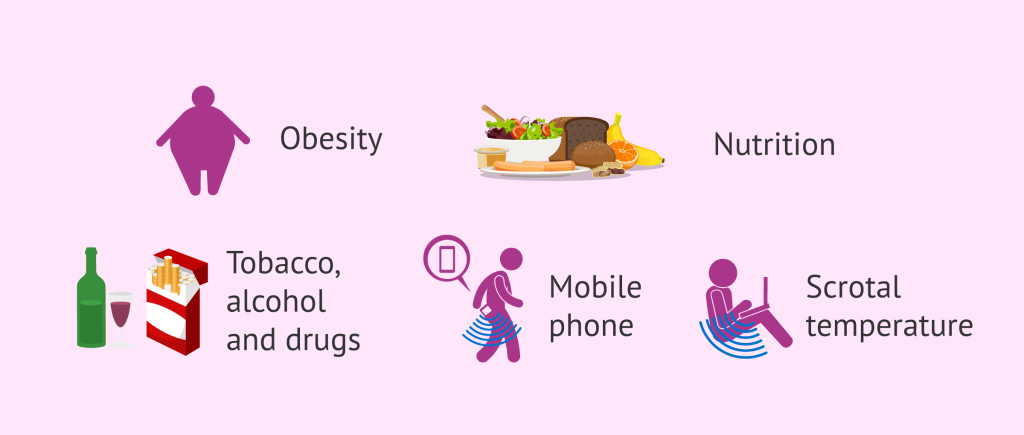
Sperm production requires the testes to remain slightly cooler than the rest of the body. Prolonged sitting, tight underwear, laptops placed directly on the lap, and extended time in overheated environments may affect sperm quality. The 2023 Port Harcourt study found that occupations involving prolonged sitting or regular exposure to heat sources were associated with higher rates of male infertility.
Smoking and Alcohol
Both smoking and alcohol consumption have been linked to reduced sperm count, motility, and morphology. The 2022 scoping review identifies smoking and alcohol intake as established behavioural risk factors for male infertility. The encouraging news is that these are modifiable risk factors, meaning improvements can often be made through lifestyle changes.
Untreated Infections and STIs
Sexually transmitted infections can cause scarring or blockages in the male reproductive tract, sometimes without obvious symptoms. Early diagnosis and treatment are important for protecting reproductive health.
Poor Diet
Healthy sperm production requires nutrients such as zinc, folate, vitamin C, vitamin E, and selenium. Diets high in processed foods and low in fruits, vegetables, and protein may affect overall reproductive health and sperm quality.
Stress, Poor Sleep, and Unmanaged Medical Conditions
Chronic stress, inadequate sleep, and conditions such as diabetes, hypertension, and hormonal imbalances can affect reproductive health and fertility, particularly when they are undiagnosed or poorly managed.
Beyond biological and lifestyle factors, social and cultural attitudes can also influence how infertility is understood and addressed. A 2025 review of male infertility across sub-Saharan Africa found that stigma and limited awareness often make conversations about male reproductive health more difficult, which can delay evaluation and treatment.
In many communities, infertility is still discussed more openly in relation to women, even though medical evidence shows that fertility challenges can involve either partner or both partners. Creating space for open, supportive conversations can help couples seek answers earlier and access appropriate care. Research shows that fertility challenges can be associated with anxiety, depression, and reduced well-being for both partners. Open communication, early assessment, and access to support can make a meaningful difference throughout the fertility journey.
Credit: Invitra
Supporting Healthy Sperm Production
Sperm health reflects overall health over the previous two to three months, which is roughly how long the full cycle of sperm development takes. What is eaten, drunk, smoked, or neglected during that period can influence semen quality.
To support healthy sperm production:
- Prioritise a balanced diet rich in leafy greens, eggs, nuts, seeds, legumes, fruits, vegetables, and lean protein.
- Engage in regular moderate exercise to support hormonal health.
- Reduce or avoid smoking and excessive alcohol consumption.
- Take regular breaks from prolonged sitting and avoid unnecessary heat exposure.
- Aim for seven to nine hours of quality sleep each night.
- Manage underlying health conditions such as diabetes, hypertension, and hormonal disorders with appropriate medical care.
The Single Most Important Step a Couple Can Take: Get Tested Together
A fertility journey is most effective when both partners are involved from the beginning. One of the simplest and most informative steps is a fertility assessment for both partners, including a semen analysis for the man and appropriate reproductive health tests for the woman.
A semen analysis is one of the least invasive tests in reproductive medicine, yet it provides valuable information about sperm count, movement, and overall sperm health. When both partners are assessed early, healthcare providers can build a clearer picture of what may be affecting conception and recommend the most appropriate next steps.
If a test reveals an issue, it provides information that can guide treatment, lifestyle changes, or specialist care. Earlier evaluation often means earlier support, fewer delays, and a clearer path forward.
The Conversation Has to Change
Infertility affects couples, not individuals in isolation. While the medical causes may vary from one person to another, the journey toward understanding and addressing fertility challenges is most effective when both partners are involved.
What the evidence continues to show is that fertility assessments should include both partners from the outset. Doing so helps reduce delays in diagnosis, provides a more complete picture of reproductive health, and allows couples to make informed decisions about their next steps.
Most importantly, infertility should be approached as a health issue, not a measure of masculinity, femininity, or personal worth. Open conversations, early testing, and mutual support can help couples move from uncertainty toward answers and, where possible, treatment.